
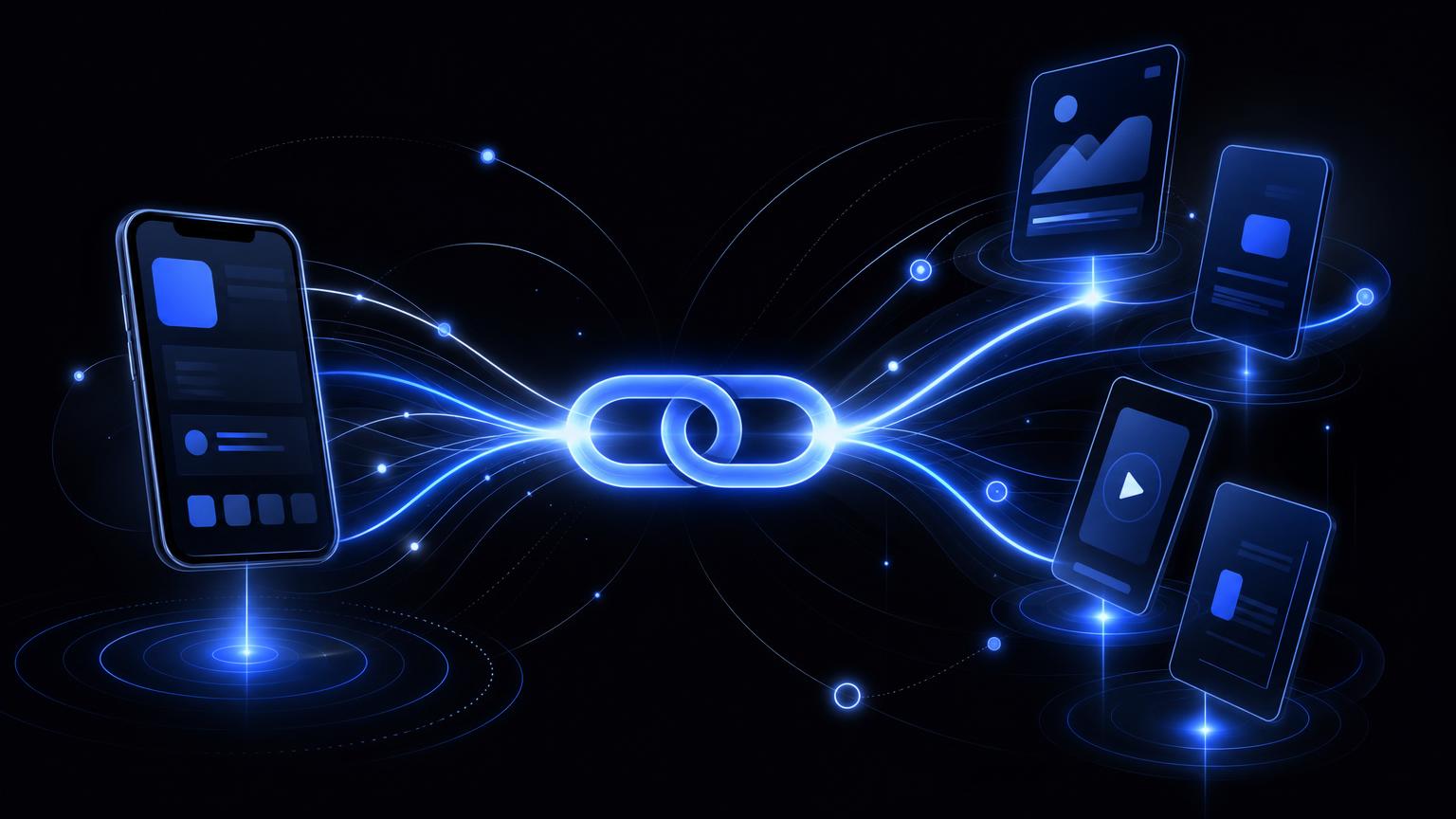
Mastering Deep Linking: Unlocking Seamless User Experiences
Discover how deep linking enhances user experiences on mobile apps. Learn strategies, examples, and solutions with Deeplink.in.
Mastering Deep Linking: Unlocking Seamless User Experiences
Deep linking has emerged as a pivotal tool in enhancing user engagement and retention for mobile applications. By directing users to specific in-app content, businesses can streamline user journeys and increase conversion rates. This blog post delves into the intricacies of deep linking, providing insights into its benefits, implementation strategies, and real-world applications.
What is Deep Linking and Why Does it Matter?
Deep linking refers to the use of a URL to link directly to specific content within a mobile app, bypassing the app’s home screen. It is akin to traditional web URL linking but within the mobile ecosystem. This capability is vital for improving user experience by reducing navigation friction and enhancing content accessibility.
Benefits of Deep Linking
Deep linking offers several advantages:
- Improved User Experience: By directing users to relevant content directly, deep linking reduces the number of steps a user needs to take, thereby enhancing user satisfaction.
- Increased Conversion Rates: With streamlined navigation, users are more likely to complete desired actions, such as purchases or sign-ups.
- Enhanced Retention: Personalized user journeys foster engagement, encouraging users to return to the app.
How Does Deep Linking Work?
Understanding deep linking's mechanics is essential for effective implementation. The process typically involves the following steps:
- URL Generation: A unique deep link URL is created, pointing to specific in-app content.
- Link Handling: When the link is clicked, the device determines if the app is installed.
- Content Display: If the app is installed, it opens directly to the linked content; if not, users are redirected to the app store.
What are the Types of Deep Linking?
Deep linking can be categorized into three main types, each serving distinct purposes:
- Basic Deep Linking: Works only if the app is already installed. It opens the app to the specified content.
- Deferred Deep Linking: Directs users to the app store if the app isn't installed and then to the specified content post-installation.
- Contextual Deep Linking: Adds user-specific data to the link, allowing personalized experiences based on user history or preferences.
Here's a comparison table illustrating these types:
| Type of Deep Linking | App Installed | App Not Installed | Personalization |
|---|---|---|---|
| Basic Deep Linking | Yes | No | No |
| Deferred Deep Linking | Yes | Yes | No |
| Contextual Deep Linking | Yes | Yes | Yes |
How Can Businesses Implement Deep Linking Effectively?
Example 1: E-commerce Apps
For e-commerce businesses, deep linking is a powerful tool for driving sales. For instance, an online fashion retailer can use deep links in marketing emails to direct users to specific product pages, enhancing the likelihood of purchase.
Example 2: Content Platforms
Content streaming services, such as video or music apps, benefit from deep linking by directing users to specific media content. This can be particularly effective in promoting new content releases or personalized recommendations.
Using Deeplink.in for Seamless Integration
Deeplink.in offers robust solutions that simplify the implementation of deep linking strategies. By providing detailed analytics and customization options, the Deeplink platform helps businesses tailor user experiences to maximize engagement and conversion.
What Challenges Might Arise and How Can They Be Overcome?
Despite its benefits, deep linking presents certain challenges:
- Technical Complexity: Implementing deep linking requires technical expertise, particularly when handling deferred or contextual links.
- Fragmented Ecosystem: Variations in mobile operating systems and app store protocols can complicate deep linking.
Solutions
- Leverage Expert Platforms: By utilizing platforms like Deeplink.in, businesses can streamline the technical aspects of deep linking.
- Continuous Testing: Regular testing across different devices and OS versions helps ensure links work as intended.
Conclusion: Taking the Next Step with Deep Linking
Deep linking is a transformative tool for mobile apps, offering significant opportunities to enhance user experiences and drive business growth. By understanding its mechanics and leveraging platforms like Deeplink.in, businesses can harness the full potential of deep linking. Start integrating deep linking into your strategy today to unlock seamless user experiences and maximize your app's potential.
Frequently Asked Questions
What is deep linking?+
How does deferred deep linking work?+
Why use Deeplink.in for deep linking?+
Ready to implement deep linking?
Deeplink gives you deferred deep linking, Android App Links, and iOS Universal Links — with a dashboard, REST API, and analytics.