
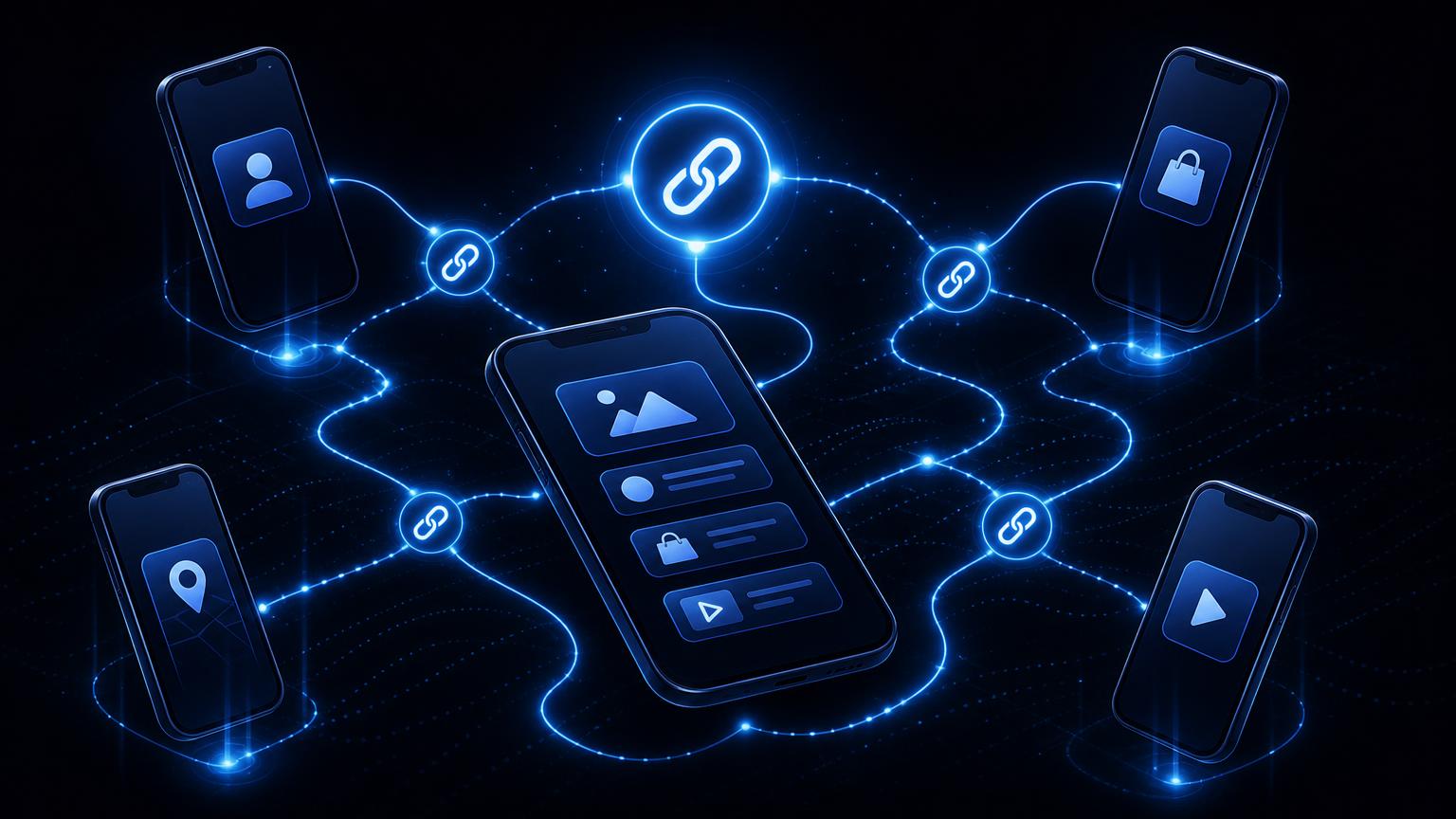
Mastering Deep Linking in Mobile Apps
Discover the power of deep linking in mobile apps and how Deeplink.in can enhance user experience and engagement.
Mastering Deep Linking in Mobile Apps
Deep linking has become an essential component in the mobile app ecosystem, transforming how users interact with apps and content. By linking directly to specific pages or actions within an app, deep linking not only enhances user experience but also boosts engagement and retention rates.
What is Deep Linking?
Deep linking is a process that allows users to navigate directly to specific content within an app from an external source, such as a web page, email, or social media. Unlike traditional linking, which takes users to the app's homepage, deep linking directs them to a specific page or action, reducing friction and improving the user journey.
Types of Deep Linking
There are primarily three types of deep linking:
-
Basic Deep Linking: This involves linking to content within an app when the app is already installed. If the app is not installed, it usually results in an error or redirects to the app store.
-
Deferred Deep Linking: This method allows users to be directed to specific content even if the app is not installed. Once installed, the app opens to the desired content.
-
Contextual Deep Linking: This provides personalized content based on user context or behavior, enhancing user experience by delivering relevant content.
Why is Deep Linking Important?
Deep linking is crucial for several reasons:
-
Enhanced User Experience: By directing users to specific content, deep linking minimizes the steps required to complete an action, leading to a smoother and more satisfying user experience.
-
Increased Engagement: Users are more likely to engage with an app if they can access relevant content quickly and efficiently.
-
Improved Retention Rates: By offering personalized and direct paths to content, deep linking helps retain users by making the app more valuable.
How Can Businesses Benefit from Deep Linking?
Businesses can leverage deep linking to achieve various goals:
-
Marketing Campaigns: By using deep links in marketing campaigns, businesses can direct users to promotional content or specific offers within the app.
-
User Onboarding: New users can be guided through the onboarding process with deep links that lead them to tutorials or setup pages.
-
Re-engagement: Lapsed users can be re-engaged by directing them to new features or content tailored to their interests.
Real-World Examples of Deep Linking
Example 1: E-commerce App
Consider an e-commerce platform that uses deep linking to enhance the shopping experience. When a user clicks on a product link shared on social media, a deep link can take them directly to the product page within the app, bypassing the homepage and reducing the steps needed to make a purchase.
Example 2: Streaming Service
A streaming service could use deep links to allow users to share specific movies or shows with friends. When a recipient clicks the link, they are taken directly to the content within the app, making it easier to start watching immediately.
How Does Deeplink.in Enhance Deep Linking?
Deeplink.in provides a comprehensive platform for implementing and managing deep links. With its robust features, businesses can:
-
Create and Manage Links Easily: Deeplink.in offers intuitive tools for creating deep links that can be dynamically adjusted based on user behavior.
-
Track and Analyze Performance: The platform provides detailed analytics, allowing businesses to understand how users interact with their deep links.
-
Integrate Seamlessly: Deeplink.in integrates with existing systems and platforms, ensuring a smooth implementation process.
Comparison of Deep Linking Providers
| Feature | Deeplink.in | Competitor A | Competitor B |
|---|---|---|---|
| Easy Link Creation | Yes | Yes | No |
| Analytics Dashboard | Yes | No | Yes |
| Integration Options | Extensive | Limited | Moderate |
| Cost Effectiveness | High | Moderate | Low |
How to Implement Deep Linking in Your App?
Implementing deep linking involves several steps:
-
Choose the Right Tool: Select a platform like Deeplink.in that offers the features and support you need.
-
Define Your Goals: Understand what you want to achieve with deep linking, whether it's increased engagement, improved user onboarding, or more effective marketing campaigns.
-
Develop and Test: Work with your development team to integrate and test deep links within your app.
-
Monitor and Optimize: Use analytics to monitor how users interact with your deep links and make necessary adjustments to improve performance.
Conclusion
Deep linking is a powerful tool for enhancing user experience and driving engagement in mobile apps. By implementing a robust deep linking strategy with platforms like Deeplink.in, businesses can offer a more personalized and efficient user journey. Start today by assessing your app's needs and exploring how deep linking can benefit your users and business.
Frequently Asked Questions
What is deep linking?+
How does Deeplink.in help with deep linking?+
Why is deep linking important for mobile apps?+
Ready to implement deep linking?
Deeplink gives you deferred deep linking, Android App Links, and iOS Universal Links — with a dashboard, REST API, and analytics.