
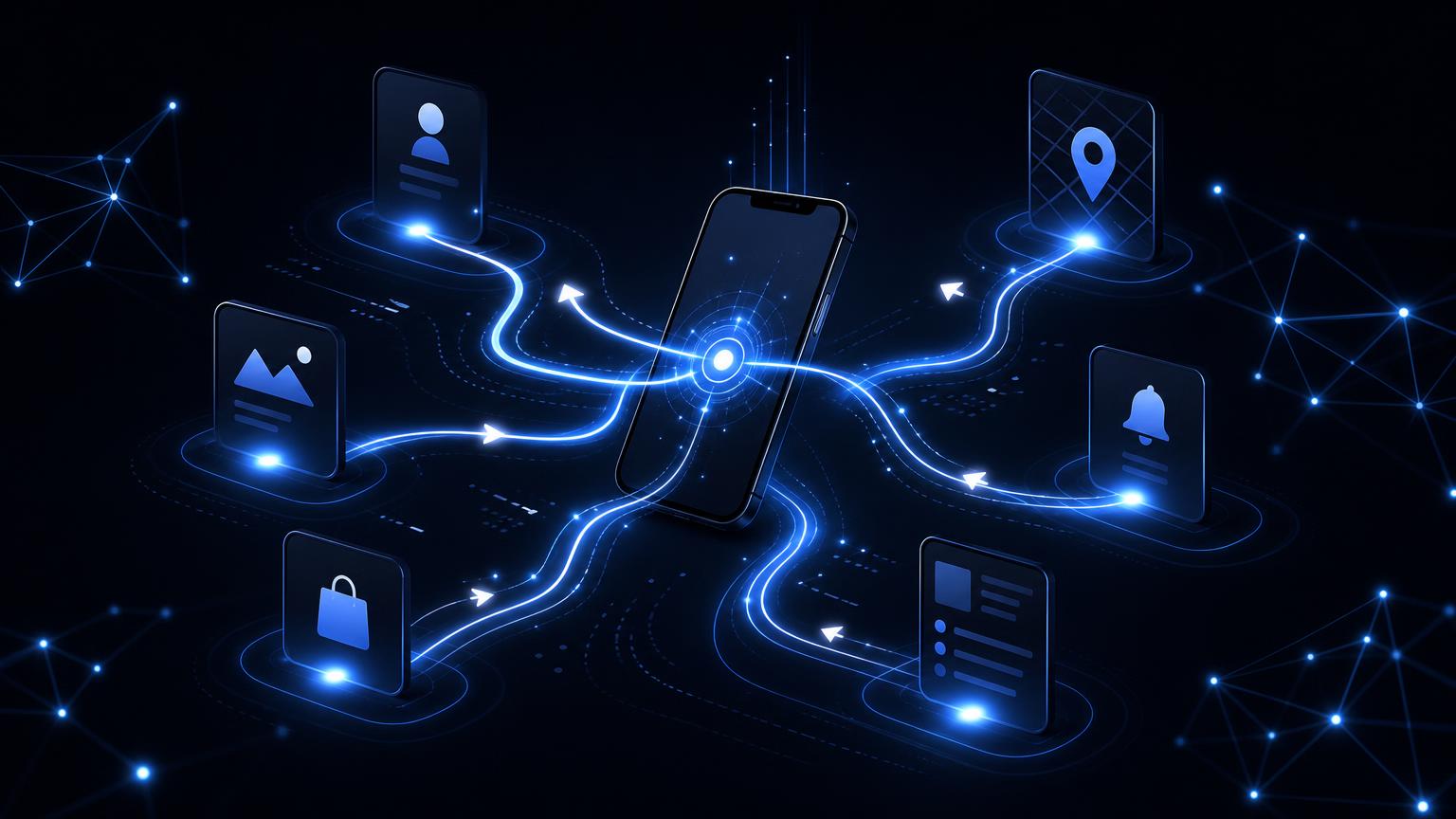
Mastering Deep Linking in Mobile Apps
Explore deep linking in mobile apps and how Deeplink.in can optimize user engagement and conversion.
Mastering Deep Linking in Mobile Apps
Deep linking has transformed the way users interact with mobile applications, providing a seamless bridge between the web and mobile environments. For businesses looking to enhance user experience and drive conversions, understanding and implementing deep linking is crucial.
What is Deep Linking and Why Does it Matter?
Deep linking refers to the use of a hyperlink that links to a specific, generally searchable or indexed, piece of web content rather than the home page. In mobile applications, deep links are used to direct users to specific in-app content from other apps or websites.
How Does Deep Linking Enhance User Experience?
Deep linking streamlines the user journey by reducing the number of steps a user must take to reach desired content. It allows for:
- Direct navigation: Users are taken directly to the relevant content, enhancing satisfaction and engagement.
- Improved retention: By simplifying access to content, deep linking helps in retaining users by reducing friction.
Real-World Example: E-commerce
Consider an e-commerce app that uses deep linking. When a user clicks on a promotional link from an email, they are taken directly to the product page within the app, rather than the homepage. This reduces the steps involved in purchasing and increases conversion rates.
How Does Deep Linking Work?
Deep linking can be categorized into three primary types:
- Traditional deep linking: Links that work only if the app is already installed.
- Deferred deep linking: These links work irrespective of the app's installation status, guiding users to the app store if necessary.
- Contextual deep linking: Provides additional data (e.g., referral or campaign information), offering personalized user experiences.
What Are the Technical Requirements?
Implementing deep linking involves setting up URL schemes and intent filters. For Android, developers use intent filters, while iOS requires URL schemes and Universal Links. Deeplink.in offers comprehensive support to simplify this process and ensure seamless integration.
Challenges in Implementing Deep Linking
What Common Issues Arise?
Despite its benefits, implementing deep linking can pose challenges:
- Cross-platform compatibility: Ensuring links work across different devices and operating systems.
- Tracking and Analytics: Measuring the effectiveness of deep linking campaigns can be complex.
How Can Deeplink.in Help?
Deeplink.in provides solutions to overcome these challenges with features like:
- Cross-platform support: Ensuring consistent functionality across all devices.
- Advanced analytics: Offering detailed insights into user behavior and conversion rates.
Deep Linking in Marketing Campaigns
How Can Marketers Leverage Deep Linking?
Deep linking can significantly enhance marketing efforts by:
- Increasing conversion rates: By sending users directly to the content they are interested in, marketers can boost conversions.
- Enhancing personalized marketing: Use contextual deep linking to provide tailored experiences based on user data.
Real-World Example: Travel Apps
In travel apps, deep links can direct users from promotional emails or ads to specific flight or hotel booking pages, streamlining the booking process and enhancing user satisfaction.
Comparison Table: Types of Deep Linking
| Type of Deep Linking | Description | Best For |
|---|---|---|
| Traditional Deep Linking | Links that navigate directly if the app is installed. | Installed apps only |
| Deferred Deep Linking | Works even if the app is not installed. | New user acquisition |
| Contextual Deep Linking | Includes contextual data for personalized experiences. | Personalized marketing |
Conclusion: Why Choose Deeplink.in?
Deep linking is a powerful tool for enhancing mobile user experience and driving engagement. By leveraging platforms like Deeplink.in, businesses can simplify the implementation process, gain valuable insights, and ensure their deep linking strategy is effective and scalable.
Take action today by integrating deep linking into your mobile strategy with Deeplink.in, and witness a transformation in user engagement and conversion rates.
Frequently Asked Questions
What is deep linking?+
How does deep linking benefit e-commerce apps?+
What are the types of deep linking?+
Ready to implement deep linking?
Deeplink gives you deferred deep linking, Android App Links, and iOS Universal Links — with a dashboard, REST API, and analytics.