
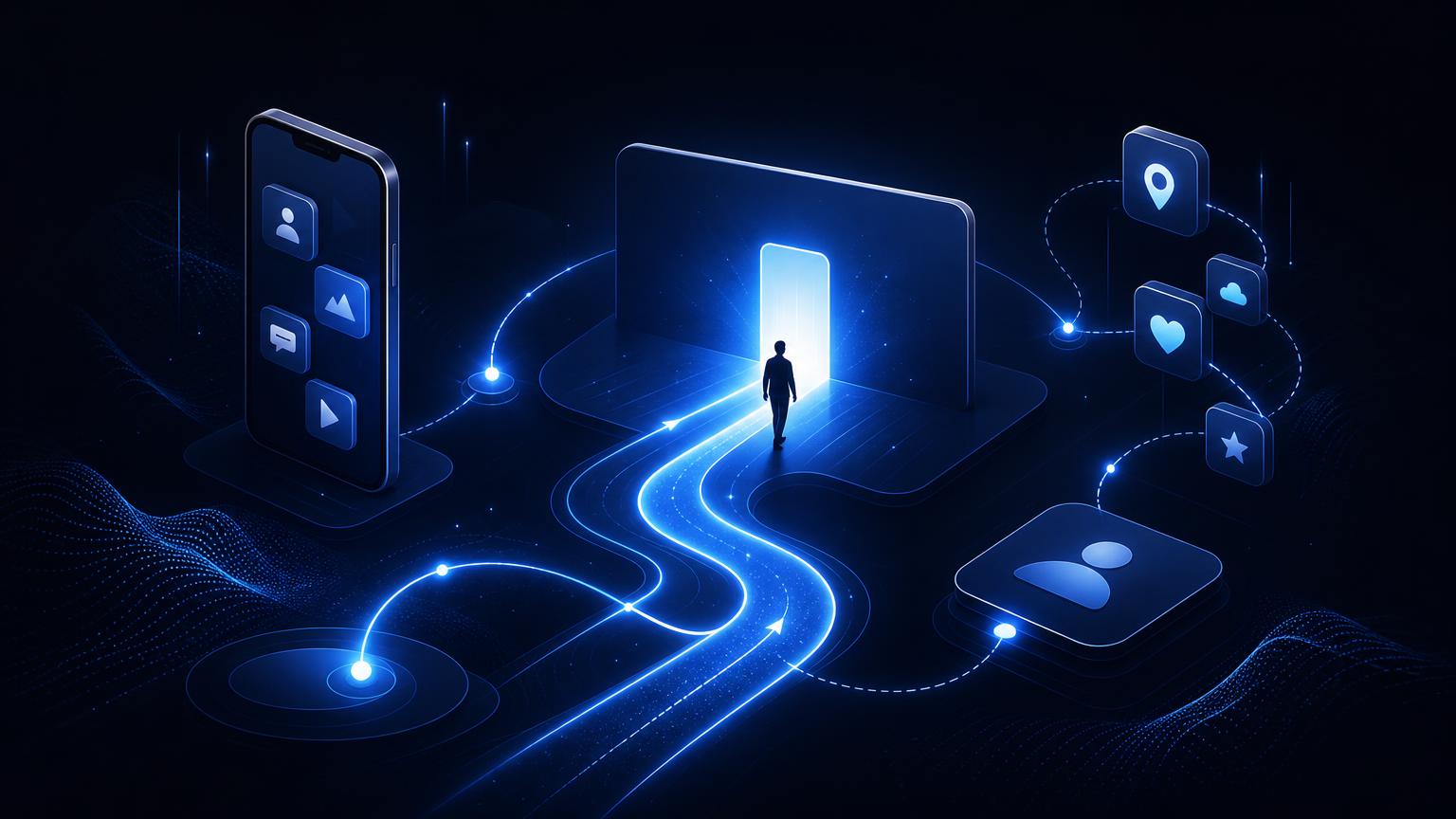
Mastering Deep Linking: A Comprehensive Guide for Modern Businesses
Explore how deep linking can transform user experiences and boost your business's digital presence. Uncover insights and solutions with Deeplink.in.
Mastering Deep Linking: A Comprehensive Guide for Modern Businesses
Deep linking has become a cornerstone of digital experiences, enabling seamless navigation and enhancing user engagement across apps and websites. But what exactly is deep linking, and how can businesses leverage it effectively? In this guide, we will explore the intricacies of deep linking and how platforms like Deeplink.in can empower your business.
What is Deep Linking and Why Does it Matter?
Deep linking is the process of using a hyperlink to navigate users directly to a specific content or page within a mobile app or website, bypassing the home page. This is essential for improving user experience, as it allows users to reach their desired content more quickly and efficiently.
For instance, consider a user receiving a promotional email about a sale on a clothing app. Instead of navigating through the app's home page, a deep link can take them directly to the sale items, increasing the likelihood of a purchase.
How Does Deep Linking Enhance User Experience?
Deep linking significantly enhances the user experience by reducing friction in the navigation process. Users expect fast and intuitive access to content, and deep linking delivers just that. Here are some ways deep linking improves user interaction:
- Streamlined Navigation: Direct links to specific content reduce the number of clicks required, making the journey quicker and more intuitive.
- Personalized Experiences: Deep links can be tailored to users' preferences and past behaviors, providing a more customized experience.
- Increased Engagement: By directing users to relevant content, deep linking can lead to higher engagement and conversion rates.
How Can Businesses Implement Deep Linking?
Implementing deep linking requires a strategic approach. Here are the steps businesses can follow:
- Identify Key Content: Determine which pages or content would benefit from deep links.
- Set Up Deep Links: Use a platform like Deeplink.in to create and manage deep links efficiently.
- Test and Optimize: Regularly test the links to ensure they work correctly and optimize them based on user feedback.
- Analyze Performance: Use analytics to track the performance of deep links and adjust strategies as needed.
Real-World Example: E-commerce App
An e-commerce app integrated deep linking to enhance its promotional campaigns. During a holiday sale, deep links in emails directed users to specific product categories, resulting in a 30% increase in sales conversions.
What are the Types of Deep Linking?
There are several types of deep linking, each serving different purposes:
- Basic Deep Linking: Directs users to a specific page within an app, but only works if the app is installed.
- Deferred Deep Linking: Takes users to the intended content even if the app is not installed. Once installed, the user is directed to the original content.
- Contextual Deep Linking: Provides personalized content based on user data, offering a more tailored experience.
| Type of Deep Linking | Description | Use Case |
|---|---|---|
| Basic | Directs to app page if installed | Returning users |
| Deferred | Works post-installation | New user acquisition |
| Contextual | Tailored experience | Personalized marketing |
How Does Deeplink.in Facilitate Deep Linking?
Deeplink.in offers a robust solution for businesses looking to implement deep linking. The platform provides:
- Easy Integration: Seamless integration with existing systems, reducing setup time.
- Comprehensive Analytics: Insights into user behavior and link performance, helping refine strategies.
- Support for All Types: Whether it's basic, deferred, or contextual deep linking, Deeplink.in supports it all.
Real-World Example: Travel App
A travel app used Deeplink.in to enhance user engagement by linking promotional ads directly to booking pages. This resulted in a significant increase in booking rates and user satisfaction.
What Challenges Might Businesses Face?
While deep linking offers numerous benefits, businesses may encounter challenges such as:
- Technical Complexity: Setting up and maintaining deep links can be technically demanding.
- User Privacy Concerns: Using contextual deep linking requires careful handling of user data to maintain privacy.
- Keeping Links Updated: Regular updates to links are necessary to ensure they remain functional and relevant.
Conclusion: How to Get Started with Deep Linking Today
Deep linking is a powerful tool for businesses looking to enhance user experience and engagement. By understanding the different types and their applications, businesses can effectively implement deep linking strategies. Platforms like Deeplink.in offer comprehensive solutions to simplify this process, from integration to analytics.
To get started, identify key areas where deep linking can add value, choose a reliable platform like Deeplink.in, and begin testing your deep links. With the right approach, your business can achieve higher engagement and conversion rates.
Frequently Asked Questions
What is deep linking?+
How does Deeplink.in assist businesses?+
What are the challenges of deep linking?+
Ready to implement deep linking?
Deeplink gives you deferred deep linking, Android App Links, and iOS Universal Links — with a dashboard, REST API, and analytics.