
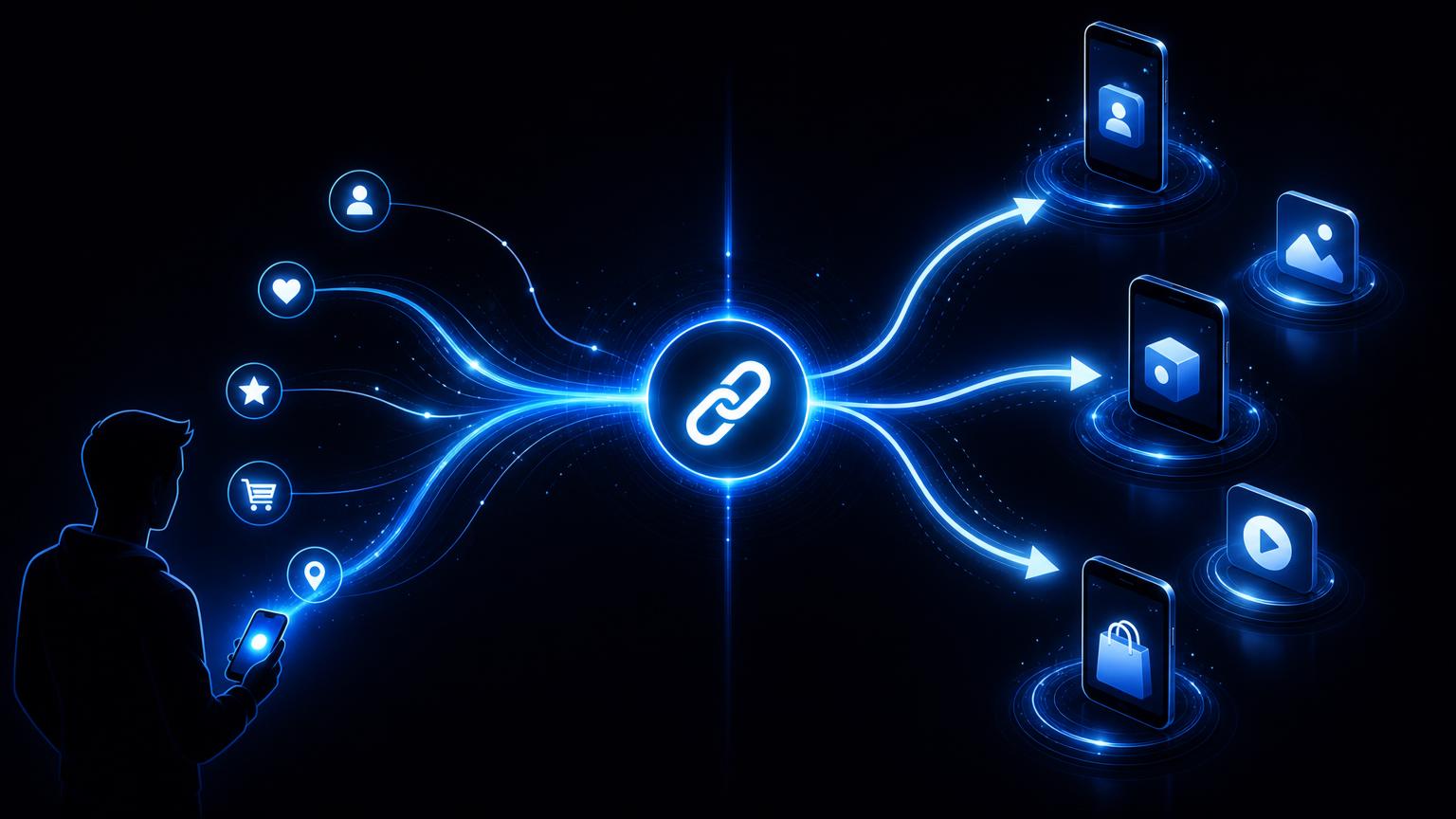
Mastering Deep Linking for Enhanced User Engagement
Unlock the full potential of your mobile apps with deep linking strategies that enhance user engagement and conversion rates.
Mastering Deep Linking for Enhanced User Engagement
Deep linking is a crucial strategy for mobile app developers and marketers aiming to improve user engagement and conversion rates. By understanding and implementing effective deep linking techniques, businesses can create seamless user experiences that drive results.
What is Deep Linking and Why is it Important?
Deep linking refers to the use of a hyperlink that links to a specific, generally searchable or indexed, piece of web content. In the context of mobile apps, deep links can navigate users to specific pages or content within the app, rather than simply launching the app's home screen. This capability is vital for enhancing user experience and increasing conversion rates by directing users to relevant content directly.
For instance, imagine a user receives a promotional email about a sale on a retail app. Instead of opening the app's main page, a deep link can direct the user straight to the sale items, improving the likelihood of a purchase.
How Does Deep Linking Work in Mobile Apps?
Deep linking in mobile apps can be implemented using different technologies, such as URL schemes or Universal Links for iOS and App Links for Android. Each platform has its own specifications, but the fundamental idea remains the same: to route users directly to in-app content.
Using a platform like Deeplink.in simplifies this process by providing a centralized solution to manage and implement deep linking across various devices and operating systems. This not only saves development time but also ensures a consistent user experience.
What are the Types of Deep Linking?
Understanding the types of deep linking is crucial for leveraging their full potential:
1. Basic Deep Linking
Basic deep links use URL schemes to launch the app and navigate users to specific content. However, if the app is not installed, users are typically met with an error message.
2. Deferred Deep Linking
Deferred deep linking ensures that even if the app is not installed, users are taken to the appropriate content after installation. This is particularly useful for marketing campaigns, where users might be interacting with an app for the first time.
3. Contextual Deep Linking
Contextual deep links carry additional data, such as user preferences or campaign information, providing personalized app experiences. This enriches user engagement by delivering content tailored to individual user behavior.
How to Implement Deep Linking Strategies Effectively?
Effective implementation of deep linking strategies requires careful planning and execution:
- Define Your Goals: Clearly outline what you want to achieve with deep linking, whether it's increasing user retention, boosting sales, or enhancing user experience.
- Choose the Right Tools: Utilize platforms like Deeplink.in to manage deep linking processes efficiently.
- Test Thoroughly: Ensure that all deep links function correctly across different devices and operating systems.
- Analyze and Optimize: Use analytics to track user interactions with deep links and optimize them based on performance metrics.
Real-World Examples of Deep Linking Success
Example 1: E-commerce App
An e-commerce app used deferred deep linking during a holiday sale campaign. Users who clicked on promotional links were directed to download the app and, upon installation, were taken directly to the sale page. This strategy resulted in a 40% increase in conversion rates compared to previous campaigns.
Example 2: Streaming Service
A streaming service integrated contextual deep linking to personalize user experiences. Users who received links to specific shows or movies based on their viewing history were more likely to engage with the content, leading to a 25% increase in viewing time per session.
How Does Deeplink.in Enhance Your Deep Linking Strategy?
Deeplink.in provides a comprehensive platform for managing deep linking across multiple channels and devices. With its robust analytics tools, businesses can gain insights into link performance and user behavior, allowing for continuous optimization of linking strategies.
Moreover, the platform's ability to handle complex scenarios, such as deferred and contextual deep linking, ensures that users receive personalized experiences that drive engagement and retention.
Conclusion: Take Action to Optimize Your Deep Linking Strategy
Deep linking is more than just a convenience; it's a powerful tool for enhancing user engagement and driving conversions. By implementing effective deep linking strategies and utilizing platforms like Deeplink.in, businesses can ensure that their apps provide seamless, personalized user experiences.
Start by assessing your current deep linking strategy, set clear objectives, and leverage the right tools to optimize your approach. The potential benefits in user engagement and conversion rates make deep linking an essential component of your mobile app strategy.
Frequently Asked Questions
What is deep linking?+
Why use deferred deep linking?+
How does Deeplink.in help with deep linking?+
Ready to implement deep linking?
Deeplink gives you deferred deep linking, Android App Links, and iOS Universal Links — with a dashboard, REST API, and analytics.