
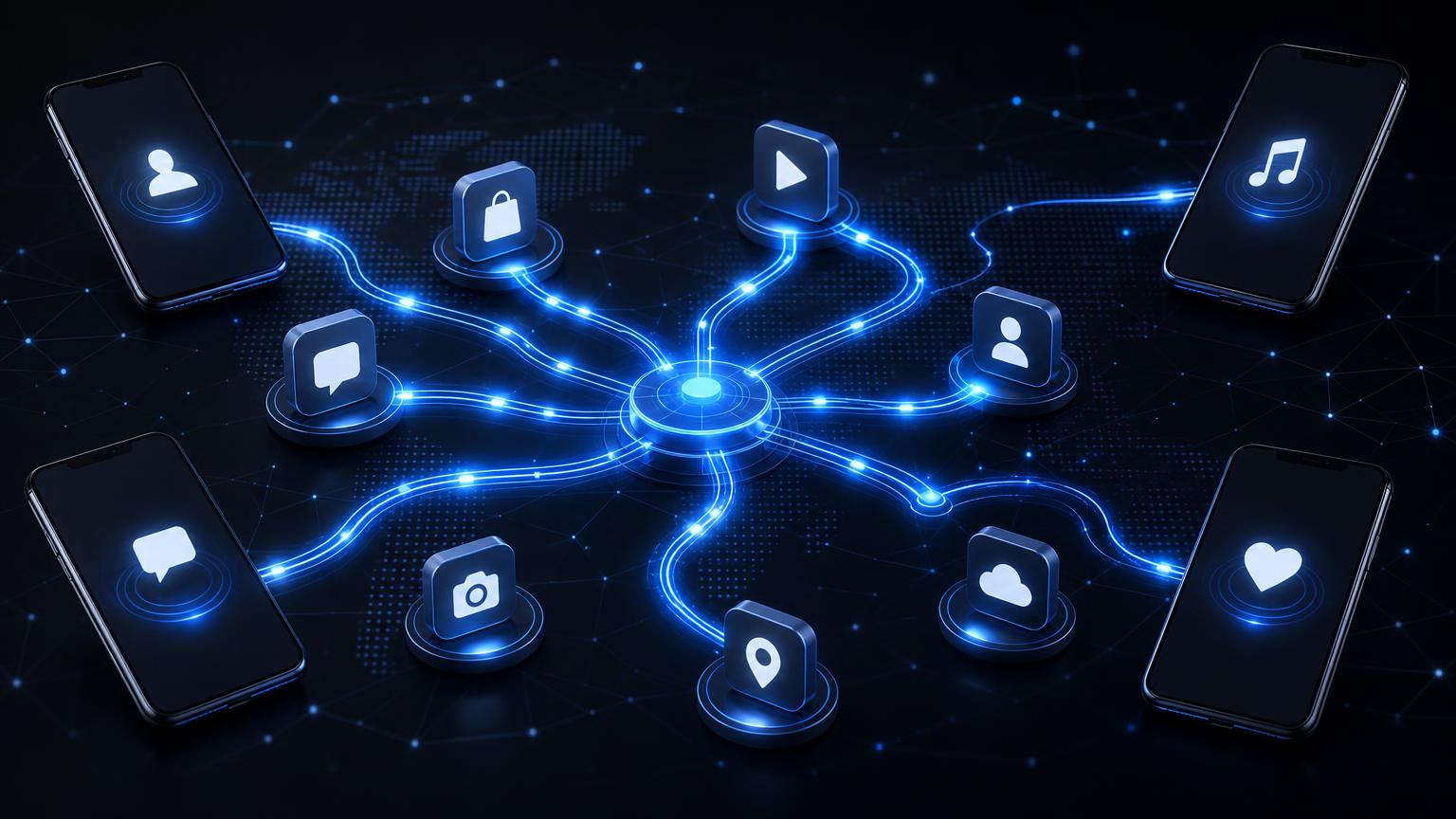
Mastering Deep Linking for Enhanced User Engagement
Discover how deep linking can transform user engagement in your app by creating seamless experiences. Learn from real-world examples and scenarios.
Mastering Deep Linking for Enhanced User Engagement
In today's digital landscape, user engagement is the key to retaining customers and ensuring the success of your mobile application. But how do you create a seamless experience that encourages users to keep coming back? The answer lies in deep linking. By implementing deep linking strategies, businesses can enhance user engagement and drive growth. In this blog post, we'll explore the concept of deep linking, its benefits, and how platforms like Deeplink.in can help you achieve your engagement goals.
What is Deep Linking?
Deep linking refers to the practice of using a hyperlink that points to a specific page or location within a mobile application, rather than simply launching the app's homepage. This allows users to have a more personalized and efficient experience by directly accessing the content they are interested in. For instance, if a user clicks on a product link in an email, deep linking can take them directly to the product page within the app, bypassing any unnecessary steps.
Why is Deep Linking Important for User Engagement?
Deep linking is crucial for user engagement for several reasons:
- Improved User Experience: By directing users to specific content, deep linking reduces friction and enhances the user experience. This can lead to higher engagement rates and lower bounce rates.
- Increased Retention Rates: Deep linking encourages users to interact with the app more frequently, which can boost retention rates and reduce churn.
- Enhanced Marketing Campaigns: Deep linking can be used in marketing campaigns to drive more targeted traffic to specific app content, improving the effectiveness of these campaigns.
How Does Deep Linking Work?
To implement deep linking, developers need to configure their app to handle incoming links and route users to the appropriate content. There are generally three types of deep linking:
- Traditional Deep Linking: Works only if the app is already installed. If not, the user is directed to a fallback URL, typically the app store.
- Deferred Deep Linking: Redirects users to the specific content after the app is installed, providing a seamless experience even if the app wasn't previously installed.
- Contextual Deep Linking: Provides additional data to personalize the user experience. For instance, a user might receive a promotional link that gives them a discount on their first purchase.
| Type of Deep Linking | App Installed | Redirects to Specific Content | Personalized Experience |
|---|---|---|---|
| Traditional | Yes | Yes | No |
| Deferred | No | Yes | No |
| Contextual | Yes/No | Yes | Yes |
What Are Some Real-World Examples of Deep Linking?
Example 1: E-commerce App
Imagine an e-commerce app that uses deep linking to enhance its marketing efforts. When a user clicks on a promotional email link for a flash sale, they're taken directly to the sale page within the app. This reduces the steps needed to make a purchase, thereby increasing the likelihood of conversion.
Example 2: Social Media Platform
A social media platform could use deep linking to improve user engagement by directing users from notifications about friend activities directly to the relevant content within the app. This direct approach ensures that users stay engaged with the app content.
How Can Deeplink.in Help?
Platforms like Deeplink.in provide comprehensive solutions to simplify the implementation of deep linking in your mobile application. Deeplink.in offers robust tools for creating, managing, and tracking deep links, ensuring a seamless integration with your app and providing valuable insights into user behavior and engagement.
How to Implement Deep Linking in Your App?
- Define Your Goals: Determine what you want to achieve with deep linking, such as increasing sales or improving user retention.
- Choose the Right Type of Deep Linking: Based on your goals and app structure, decide whether traditional, deferred, or contextual deep linking suits your needs.
- Use a Platform Like Deeplink.in: Leverage the capabilities of Deeplink.in to streamline the process of creating and managing deep links.
- Test and Optimize: Continuously test your deep links to ensure they work as intended and optimize based on user feedback and analytics.
Conclusion: Start Deep Linking Today
Deep linking is an essential tool for enhancing user engagement and driving success in your mobile application. By understanding the different types of deep linking and implementing them effectively, you can create a seamless user experience that keeps users coming back. With the help of Deeplink.in, you can simplify the process and focus on what matters most: growing your business.
Take action today by exploring how deep linking can benefit your app and consider integrating a solution like Deeplink.in to maximize your engagement efforts.
Frequently Asked Questions
What is deep linking?+
Why is deep linking important?+
How can Deeplink.in help with deep linking?+
Ready to implement deep linking?
Deeplink gives you deferred deep linking, Android App Links, and iOS Universal Links — with a dashboard, REST API, and analytics.